
Metal Forming
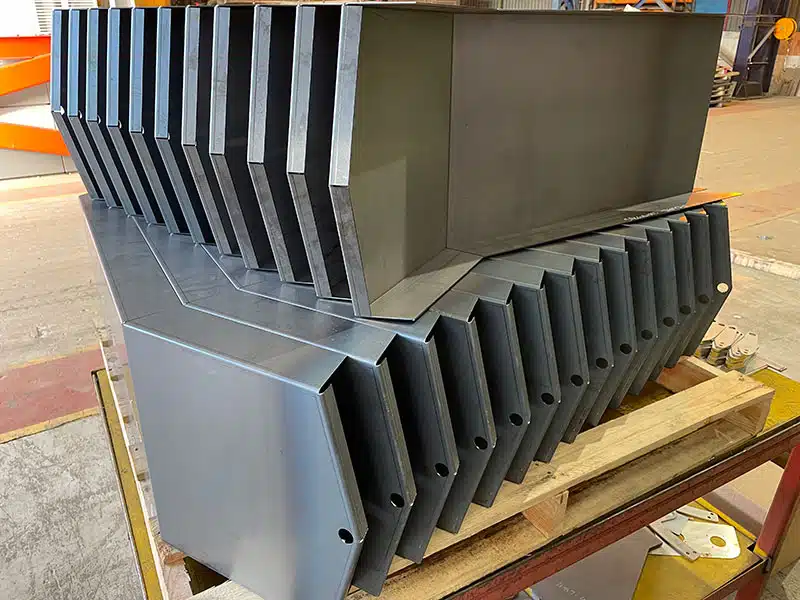
Sheet metal bending, also known as profile bending or press forming, combines operator skill and quality tooling to deliver the consistent quality downstream assembly teams need. At Kivox Laser Tech., ergonomic and efficient machines allow operators to achieve superior quality for customers.
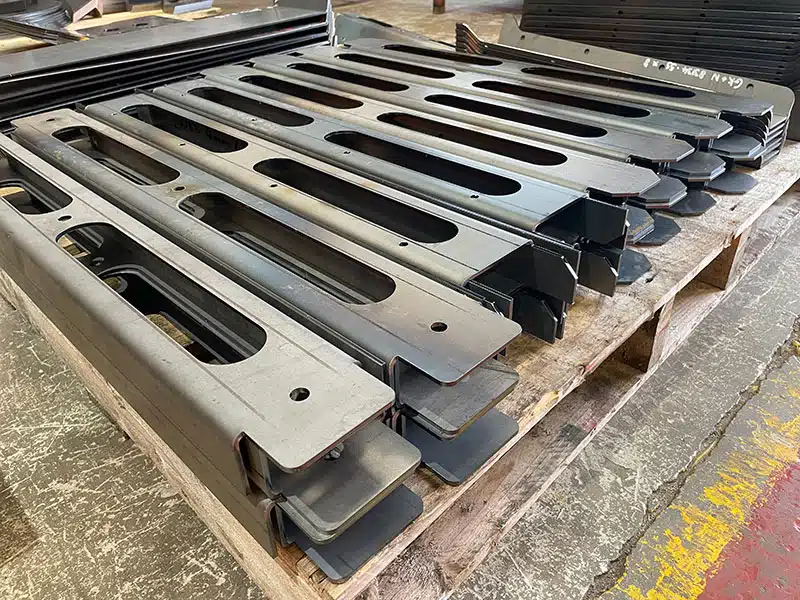
Open section cutting refers to the process of cutting or dividing a section of a larger object that has an open or hollow shape. It typically involves cutting through the walls or edges of the open section to create separate pieces or components.
Complete Metal Profiling
Sheet metal forming uses a brake press machine to apply bends on a range of metals including mild and stainless steels, and aluminium. Combining the latest metal pressing technologies, including dynamic crowning and laser measuring, delivers exceptional bend accuracy. The Laser Cutting Co. maintain a program of continuous investment to ensure its metal profiling service is second-to-none:
- Extensive range of quality tools
- Highly skilled operators
- Laser angle measuring
- Die and panel forming capabilities.
With a dedicated CAD team, we use the latest software to support you from the design stage. The old adage, measure twice and cut once, is an essential part of the design process. TLCC team ensure parts are correct, accurate, and on time.
Benefits of Press Braking
One of the key benefits of sheet metal bending is the reduction, or eradication in many cases, of joining processes such as welding. As a result, bending delivers greater part strength and simplified assembly.
- Outsource to avoid machinery investment
- Tooling is expensive to maintain
- Low to medium volume projects don’t justify stamping tools
- Talented brake press operators can be hard to find
Press brake operators are able to produce a wide variety of part geometrics, fast and with high repeatability. Press forming capabilities are of considerable use to product developers in particular. This level of profiling complexity also cuts down on part weight, reducing storage and transportation costs.